Broward County continues to grow, and with that growth comes more construction, more redevelopment, and more debris. New homes, commercial renovations, tenant build-outs, roof replacements, demolition projects, infrastructure upgrades, and property improvements all generate large amounts of material that must be managed somewhere. For county leaders, this is part of a much larger waste-management challenge tied to landfill capacity, disposal costs, and long-term planning. For contractors, property managers, business owners, and developers in Fort Lauderdale, it is also a practical day-to-day issue. Construction and demolition debris can overwhelm a jobsite quickly if there is no plan to contain it, remove it, and keep the work area functional.
This is one reason Broward County’s broader waste discussion matters so much at the project level. The county has already warned that waste generation remains high, disposal capacity is limited, and future growth will place additional pressure on the system. As more properties are built, renovated, or repurposed across Fort Lauderdale and surrounding areas, construction debris becomes a larger part of the local waste stream. That means better cleanup planning is no longer just a convenience for contractors and property owners. It is part of a smarter local response to a countywide problem. Services like dumpster rental Fort Lauderdale through Evergreen Waste & Recycling help connect those two realities by giving construction and commercial projects a more organized way to handle debris from start to finish.
Broward County’s Growth Is Creating More Waste Across Every Sector
Population growth affects more than housing demand. It also drives renovation activity, infrastructure projects, business expansion, and commercial redevelopment, all of which create waste. Broward County’s long-term planning has made it clear that more residents will mean more pressure on the county’s waste system. More people require more homes, more retail spaces, more service businesses, more roadwork, more public improvements, and more construction-related activity overall.
Each of those changes creates debris. New development generates packaging, scrap materials, concrete, cardboard, and construction waste. Commercial remodels produce flooring, drywall, fixtures, shelving, and demolition materials. Property upgrades create roofing debris, fencing, landscaping waste, and cleanout materials from older structures. Even when the project is not a ground-up build, the amount of waste produced can still be substantial.
For Fort Lauderdale, where property improvement and redevelopment are constant, the result is a steady flow of debris moving through jobsites, commercial spaces, and cleanup projects. That debris becomes part of the same larger county waste stream that Broward is trying to manage more efficiently. In other words, the county’s waste challenge is not separate from construction growth. Construction growth is one of the reasons the challenge keeps expanding.
Construction and Demolition Debris Is a Major Part of the Waste Stream
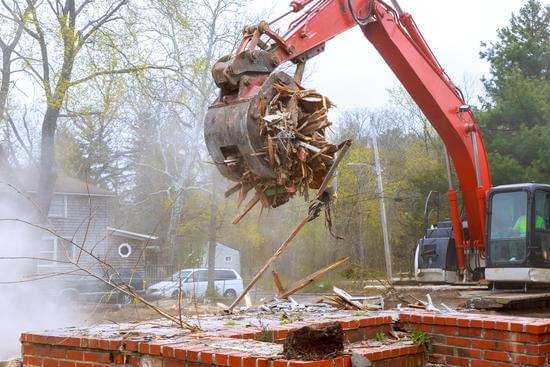
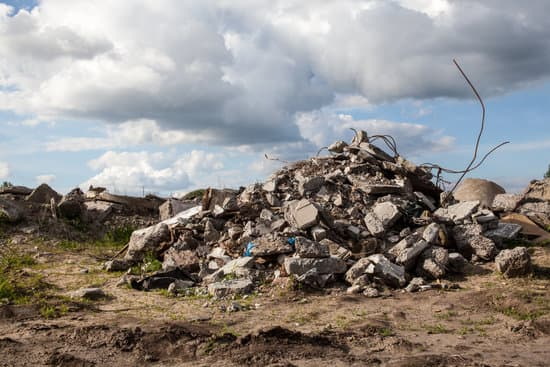
Florida waste planning has consistently highlighted the importance of construction and demolition debris. This category includes materials such as concrete, asphalt, wood, drywall, roofing materials, metal, glass, brick, and cardboard generated during construction, demolition, renovation, and land-clearing work. In fast-growing areas like Broward County, these materials make up a significant portion of what must be processed, recovered, diverted, or disposed of.
That matters because construction debris is not simple curbside waste. It is heavy, bulky, and often produced in concentrated bursts. A roof replacement may create a large amount of material in a single day. A commercial interior demolition can produce drywall, flooring, framing, lighting, and broken fixtures almost immediately. A retail build-out may generate packaging, pallets, wood, cardboard, and leftover construction materials throughout the project. Without a clear plan, that debris can quickly spill into work areas, loading zones, parking lots, and access points.
The challenge is not just removal. It is containment, timing, and site organization. Construction waste needs to be managed in a way that keeps the project moving and reduces the risk of clutter, delays, or safety issues. That is why cleanup planning should be treated as part of the construction process itself, not something handled after the debris has already piled up.
Commercial Renovations and Tenant Improvements Add to the Problem
When people think about construction waste, they often picture large development sites, but commercial projects can be just as demanding from a debris-management standpoint. Office remodels, restaurant renovations, retail build-outs, tenant turnovers, warehouse improvements, and property repositioning projects all generate waste that must be handled quickly and efficiently.
An office cleanout may involve desks, shelving, carpet, ceiling tiles, lighting, and broken fixtures. A restaurant renovation may produce kitchen equipment, flooring, counters, drywall, plumbing materials, and general demolition debris. Retail upgrades can generate signage waste, packaging, damaged displays, cabinetry, and construction leftovers. Even a simple tenant turnover in a commercial building can produce bulky junk, damaged furniture, and miscellaneous debris that does not fit into routine trash service.
These projects often happen on tight timelines. Businesses want to reopen quickly, landlords want spaces turned over fast, and contractors need work areas to remain clear so crews can keep moving. When debris is not contained properly, it creates friction across the entire project. Materials end up stacked in corners, placed behind buildings, or left in parking areas where they become both a nuisance and a liability. That is why better debris planning is so important for Fort Lauderdale’s commercial property market.
Why Jobsite Waste Planning Matters More Than Ever
As Broward County’s waste challenge grows, jobsite waste planning becomes more important for two reasons. First, it directly affects the efficiency of the project itself. A clean, organized site is easier to work on than one crowded with debris. Workers can move materials more easily, access points stay open, and safety risks are easier to control. Second, jobsite planning also affects how construction waste enters the broader county waste stream. The more organized the debris is at the property level, the easier it becomes to manage responsibly.
Without a plan, projects often rely on short-term fixes. Crews pile materials in whatever space is available, make repeated trips off-site, or wait until the end of the job to deal with the waste all at once. That approach slows down productivity and makes cleanup more difficult. It can also increase the chance that recyclable or reusable materials are mixed in with general debris simply because there was no structured system in place from the start.
Planning ahead does not require a complicated waste strategy. It simply means thinking about debris as part of the scope of work rather than a final inconvenience. For many Fort Lauderdale construction and commercial projects, that starts with having the right dumpster on-site before the demolition or build-out begins.
Why Dumpster Rental Fort Lauderdale Services Support Better Project Cleanup
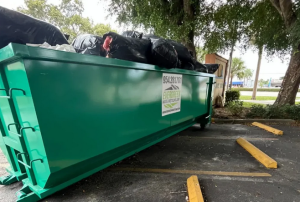
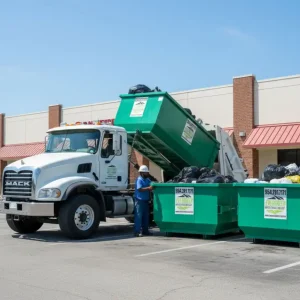
A dumpster provides one of the most practical ways to keep construction and commercial debris under control. Instead of allowing materials to spread across a jobsite, it creates a designated collection point for waste throughout the project. That helps reduce clutter, improve workflow, and keep the property in better condition while work is underway.
For contractors, a dumpster makes it easier to remove roofing debris, drywall, framing scraps, flooring, packaging, and demolition waste as the project progresses. For property managers, it offers a controlled way to handle tenant cleanouts, office junk, or commercial renovation debris without relying on repeated hauling trips. For business owners, it helps keep a remodel or upgrade from turning into a disorderly cleanup problem.
This is where dumpster rental Fort Lauderdale services fit into Broward County’s broader waste conversation. County officials can work on long-term infrastructure and policy solutions, but projects happening today still need practical cleanup tools. A dumpster does not solve the county’s waste problem by itself, but it does help local projects handle debris more responsibly, which is part of the larger solution.
Evergreen Waste & Recycling as a Practical Local Resource
Evergreen Waste & Recycling helps bridge the gap between Broward County’s long-term waste concerns and the day-to-day cleanup needs of Fort Lauderdale properties. Construction growth is not slowing down, and neither is the amount of debris generated by roofing jobs, renovations, cleanouts, commercial improvements, and demolition work. That means local property owners and contractors need dependable ways to stay ahead of the waste before it disrupts the project.
By providing dumpster rental Fort Lauderdale services for construction, renovation, and commercial cleanup projects, Evergreen helps clients keep debris contained, improve jobsite organization, and make waste removal more manageable. The value of that support is not just convenience. It is the ability to approach cleanup as part of a smarter project plan rather than a last-minute problem.
Evergreen’s role in the larger conversation is practical: help Fort Lauderdale projects operate more cleanly and efficiently while supporting a more organized local approach to waste. In a county dealing with growing waste volumes, that kind of project-level improvement matters.
Smarter Construction Cleanup Starts Before Work Begins
The best time to plan for construction debris is before the first demolition day, not after waste has already filled the site. Contractors and property owners should think about the materials the project will generate, the volume of debris expected, the timeline for removal, and the space available for a dumpster or collection area.
A few practical questions help:
- Will the project create heavy debris like roofing, drywall, wood, or concrete?
- Is there a lot of packaging or bulky material involved?
- Will the work happen in phases or all at once?
- Is there enough room on-site to place a dumpster without disrupting access?
- How quickly does debris need to be removed to keep the project moving?
These questions do not just improve cleanup. They improve the entire workflow of the project by reducing confusion and helping everyone involved understand where materials should go from the beginning.
Conclusion
Construction growth is a sign of economic activity and property investment, but it also creates more debris that must be managed responsibly. In Broward County, where waste generation is already high and long-term disposal capacity remains a concern, construction and commercial waste are becoming even more important parts of the conversation. Every build-out, renovation, roof replacement, demolition project, and tenant improvement adds to the county’s overall waste stream.
For contractors, property managers, and business owners in Fort Lauderdale, the best response is to plan ahead. A dependable dumpster rental Fort Lauderdale solution from Evergreen Waste & Recycling can help keep jobsites cleaner, reduce delays, improve safety, and support a more organized approach to debris removal. Broward County’s waste challenge will require long-term solutions, but project-level cleanup still matters. And for many Fort Lauderdale construction and commercial projects, one of the simplest ways to improve that cleanup is to start with the right debris plan from day one.