Home renovations are often viewed as a positive investment. They improve comfort, increase property value, modernize outdated spaces, and help homeowners make better use of the homes they already have. But behind every kitchen remodel, bathroom update, roof replacement, flooring project, garage cleanout, or landscaping overhaul is one unavoidable reality: waste. Renovation projects create a surprising amount of debris in a short period of time, and in Broward County, that matters more than many homeowners realize. The county is already facing a growing waste challenge tied to landfill pressure, limited disposal capacity, and future population growth. Every renovation project that produces drywall, wood, tile, cabinetry, concrete, cardboard, and bulky junk adds to the same local waste stream.
For Fort Lauderdale homeowners, this means renovation cleanup should not be treated as an afterthought. The debris created during a project is part of a larger countywide issue, and it also has a direct effect on the speed, cleanliness, and safety of the renovation itself. Without a plan, materials pile up quickly, work areas become harder to manage, and regular trash service often cannot keep up with the volume or weight of what is being removed. As Broward County continues looking at long-term waste solutions, local homeowners still need practical ways to handle project debris right now. That is where dumpster rental Fort Lauderdale services through Evergreen Waste & Recycling become part of the conversation not as a sales pitch, but as a practical tool for cleaner renovations and smarter waste management.
Broward County’s Waste Challenge Is Not Limited to Household Trash
When county waste issues make the news, many people picture household garbage heading to a landfill or waste-to-energy facility. In reality, Broward County’s waste stream includes far more than what goes into a kitchen trash bag. It also includes yard waste, bulky junk, cardboard, construction debris, renovation materials, storm cleanup debris, and commercial waste from businesses and property turnovers. Broward County has already warned that waste generation remains high and that long-term disposal capacity is under pressure. With future population growth expected, the county’s waste problem is only likely to become more difficult over time.
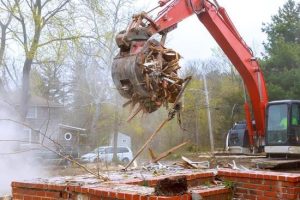
Home renovation debris is part of that larger picture. Every time a kitchen is gutted, flooring is replaced, a bathroom is demolished, or a roof is torn off, those materials become part of Broward’s overall waste stream. A single project may not seem significant on its own, but when thousands of homeowners across Fort Lauderdale and surrounding communities are remodeling, upgrading, and cleaning out properties every year, the cumulative effect becomes much larger.
This is why home improvement waste should be viewed differently than ordinary weekly trash. Renovation debris is heavier, bulkier, and often generated much faster than normal household waste. It also includes materials that need more intentional handling if the cleanup is going to stay manageable.
Renovation Debris Adds Up Faster Than Most Homeowners Expect
One of the biggest surprises in any renovation project is how quickly debris starts to accumulate. Before demolition begins, it is easy to focus on design choices, budgets, and contractor schedules without thinking much about what happens to the materials being removed. Once the project starts, however, the waste becomes impossible to ignore.
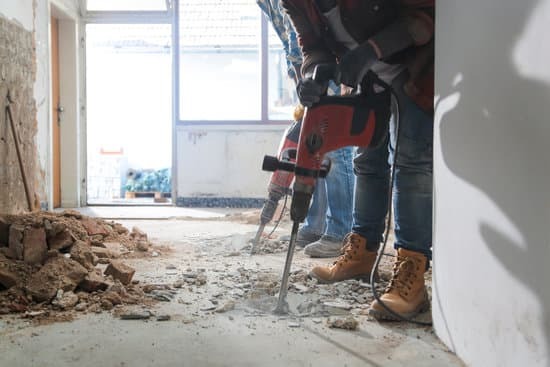
A kitchen remodel can generate old cabinets, countertops, sinks, broken tile, drywall, flooring, appliances, and packaging from new materials. A bathroom renovation may leave behind vanities, mirrors, toilets, tubs, plumbing fixtures, and demolition debris. A roofing project can create a heavy load of shingles, underlayment, flashing, and damaged wood in a single day. Even a smaller project like replacing carpet or updating a patio can produce more debris than a homeowner expects.
The challenge is not just the amount of waste, but the speed at which it appears. Within a short period of time, a driveway, garage, side yard, or front lawn can become cluttered with materials that are in the way, difficult to move, and far too much for standard curbside pickup. That is why the cleanup side of a renovation needs attention before the first hammer swings.
Florida’s Waste Planning Shows Why Construction Debris Matters
Florida’s broader waste studies help explain why renovation debris deserves more attention. Construction and demolition materials represent a major portion of the state’s waste stream, and they include many of the same materials generated during home remodeling projects. Drywall, lumber, cardboard, concrete, roofing materials, tile, and metal all fall into categories that require different handling than normal household garbage.
Even though a homeowner may not think of a bathroom remodel or flooring replacement as “construction waste,” the materials removed during those jobs are part of the same larger debris category. This matters because construction-related waste is heavy, bulky, and often generated in concentrated bursts. It can quickly overwhelm a property if there is no plan for containment and removal.
In Broward County, where renovation activity is common and population growth is expected to continue, that matters on both the property level and the county level. Home improvement waste contributes to the larger stream of materials Broward must eventually process, divert, or dispose of. The better it is managed at the source, the easier it becomes to keep projects cleaner and support smarter waste handling overall.
Why Regular Trash Pickup Usually Cannot Handle Renovation Debris
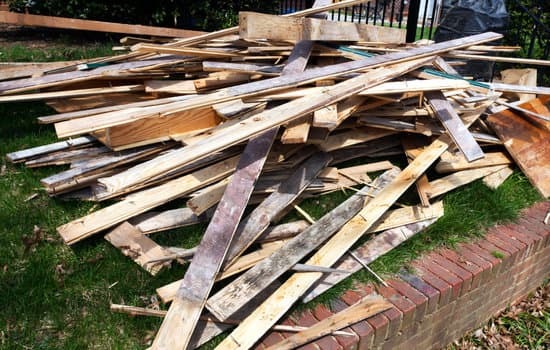
Many homeowners begin a renovation assuming they can use normal trash service for cleanup, only to discover very quickly that the project creates far more material than weekly pickup can handle. Standard bins are not designed for torn-out cabinets, broken tile, drywall, roofing debris, lumber, bulky furniture, or demolition waste. Even when some smaller materials can be bagged, the overall volume of debris still becomes a problem.
The result is often the same: materials get stacked in the garage, leaned against the side of the house, piled in the driveway, or left near the curb while the homeowner tries to figure out what to do next. That creates clutter, makes it harder for contractors to move around, and can leave the property looking chaotic for days or even weeks.
This is one reason renovation waste should be planned before the project starts. If the debris has nowhere to go, it will take over the space available. The longer it sits, the more difficult the cleanup becomes. For homeowners who want the project to stay organized, waste removal needs to be part of the renovation plan from day one.
Why Dumpster Rental Fort Lauderdale Services Help Keep Renovations Under Control
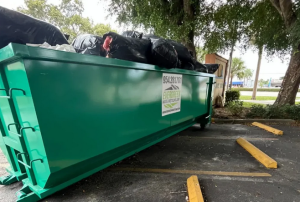
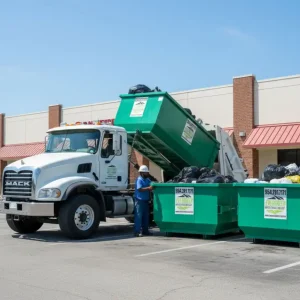
A dumpster is one of the simplest ways to keep renovation debris from becoming a larger problem. Instead of trying to store waste in different corners of the property or make repeated trips to a disposal site, the project has one central container for debris from the beginning. That keeps the site cleaner, makes it easier for contractors to work, and helps homeowners stay ahead of the mess rather than reacting to it after the fact.
For a kitchen remodel, a dumpster gives the project a place for cabinets, flooring, drywall, and packaging. For a roofing job, it provides a controlled spot for tear-off materials. For a garage cleanout or estate cleanup, it can handle bulky junk, furniture, and general debris that would otherwise take over the driveway. The goal is not simply convenience. It is about keeping the project safer, more organized, and easier to manage.
That is why dumpster rental Fort Lauderdale services fit naturally into the broader discussion about Broward County’s waste challenge. When homeowners plan for debris early, they are not only helping themselves complete a cleaner renovation they are also taking a more intentional approach to waste in a county that increasingly needs it.
Evergreen Waste & Recycling Helps Fort Lauderdale Homeowners Plan Better
At Evergreen Waste & Recycling, the focus is on helping Fort Lauderdale homeowners manage project debris before it becomes overwhelming. Every renovation is different, but the pattern is often the same: once demolition starts, the waste comes faster than expected. By providing dumpster solutions for home remodels, cleanouts, roofing jobs, and general renovation debris, Evergreen helps homeowners build waste planning into the project from the start.
This matters because cleanup problems often create avoidable delays and frustration. When debris is scattered around the property, contractors lose time moving materials, homeowners lose usable space, and the renovation becomes harder to control. A dumpster helps solve that by creating a designated place for waste, reducing clutter, and making the project easier to keep on track.
Evergreen’s role in this conversation is not just about hauling debris away. It is about helping local homeowners respond more practically to a countywide issue. Broward County’s waste challenge is large, but one of the most useful things property owners can do is manage renovation debris more intentionally at the source.
Smarter Renovation Cleanup Starts Before the Demo Begins
The best time to think about renovation waste is before the work begins, not after the driveway is already full of broken materials. Homeowners do not need a complicated waste-management strategy, but they do need to ask a few practical questions:
- What type of materials will be removed during the project?
- How much debris is likely to be created?
- Will there be heavy materials such as tile, roofing, or drywall?
- Are there bulky items like cabinets, furniture, or fixtures involved?
- Is there space on the property for a dumpster during the renovation?
These questions may seem simple, but they can make the difference between a project that stays organized and one that turns into a cleanup headache. When the debris plan is clear, the rest of the project usually runs more smoothly too.
Conclusion
Home renovations improve properties, but they also create a significant amount of waste in a short period of time. In Broward County, where long-term waste capacity is already a growing concern, that debris matters more than many homeowners realize. Kitchen remodels, bathroom updates, roofing jobs, flooring replacements, cleanouts, and landscaping projects all add material to the same local waste stream that county leaders are trying to manage more effectively.
For Fort Lauderdale homeowners, the smartest approach is to treat debris removal as part of the renovation plan itself. A reliable dumpster rental Fort Lauderdale solution from Evergreen Waste & Recycling can help keep projects cleaner, reduce clutter, improve efficiency, and support a more organized response to Broward County’s growing waste challenge. Renovation waste may be unavoidable, but the mess and confusion that often come with it do not have to be. With the right plan in place, homeowners can complete projects with less stress, better cleanup control, and a more responsible approach to local waste.